
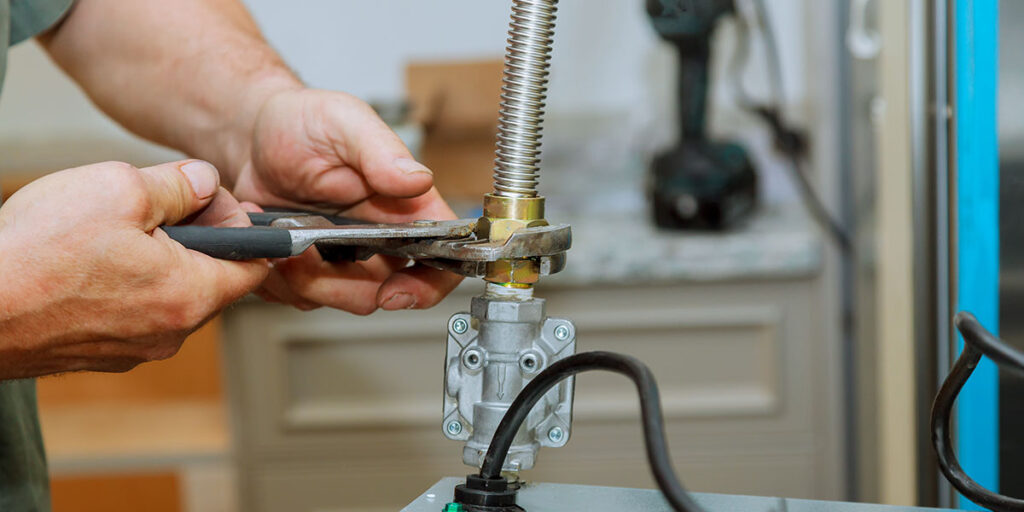
As the gas fitting industry evolves, the demand for skilled professionals who can adapt to technological advancements and maintain rigorous safety standards is more critical than ever. By 2026, gas fitters must possess a comprehensive set of skills to stay relevant and competitive. This article explores the essential skills every gas fitter must master, focusing on core technical expertise, safety protocols, and the ability to navigate emerging technologies.
Core Technical Expertise for Future Gas Fitters
In 2026, a gas fitter’s ability to excel begins with a solid foundation in core technical skills. Understanding the principles of combustion and fluid dynamics remains crucial, as these underpin the installation and maintenance of gas systems. Mastery of these concepts ensures that gas fitters can diagnose and resolve issues effectively, minimizing downtime and ensuring optimal system performance.
Moreover, proficiency in reading and interpreting blueprints and technical diagrams will be indispensable. As gas systems become more complex, the ability to accurately analyze plans and specifications will enable fitters to install and maintain systems with precision. This skill is particularly vital when working on large-scale projects where precision and attention to detail are paramount.
Additionally, expertise in using advanced tools and equipment will be essential. By 2026, gas fitters must be adept with digital and automated tools that enhance accuracy and efficiency. Familiarity with these modern tools not only improves the quality of work but also positions fitters as valuable assets in the competitive landscape of gas fitting.
Safety Protocols: A Non-Negotiable Priority
Safety remains a cornerstone of gas fitting, with protocols becoming increasingly stringent by 2026. Gas fitters must be thoroughly knowledgeable about current safety regulations and best practices. Understanding and implementing these protocols ensure compliance and protect both the professionals and clients from potential hazards associated with gas systems.
Training in emergency response and hazard management will also be vital. Gas fitters should be equipped to handle emergencies, such as gas leaks or equipment malfunctions, with precision and calmness. This requires a comprehensive understanding of emergency shut-off procedures and the ability to communicate effectively with emergency services when necessary.
Moreover, fostering a safety-first culture within teams and on job sites is essential. Gas fitters must be advocates for safety, conducting regular inspections, and ensuring that all team members adhere to safety guidelines. This proactive approach helps prevent accidents and reinforces the importance of safety in every aspect of gas fitting operations.
Navigating Emerging Technologies in Gas Fitting
The rapid advancement of technology presents both challenges and opportunities for gas fitters in 2026. Staying abreast of these developments is crucial for professionals who aim to thrive in their careers. Familiarity with smart gas systems and IoT integration will become increasingly important as these technologies transform how gas systems are monitored and managed.
Moreover, gas fitters must develop skills in data analysis and diagnostics. With the proliferation of smart devices and sensors, interpreting data to predict maintenance needs and optimize system performance will be a significant aspect of a fitter’s role. This ability to leverage data enhances efficiency and reduces the likelihood of unexpected system failures.
Continuous learning and adaptability are also key as new technologies emerge. Gas fitters should engage in ongoing training and professional development to keep pace with technological advancements. By embracing a mindset of lifelong learning, fitters can position themselves at the forefront of the industry, ready to tackle the challenges and opportunities of the future.
As the gas fitting industry advances, professionals must cultivate a diverse skill set that encompasses technical knowledge, stringent safety practices, and adaptability to technological innovations. Mastery of these skills by 2026 will not only ensure compliance and safety but also enhance career prospects in a rapidly evolving field. By prioritizing continuous learning and embracing new technologies, gas fitters can secure a thriving career in the years to come.


